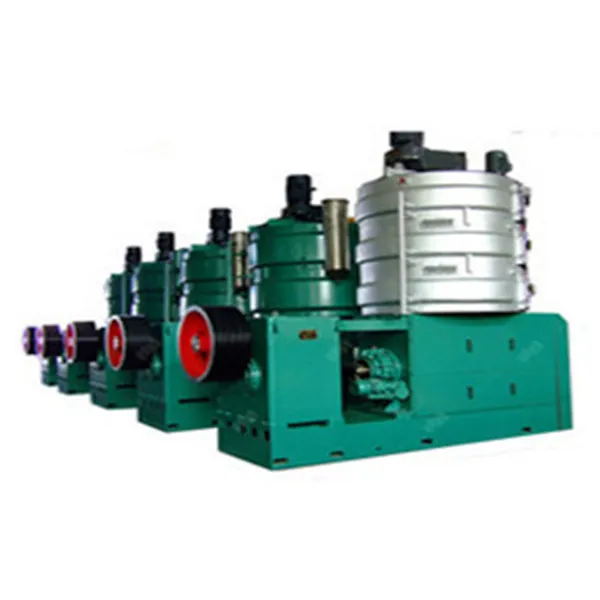
Currently, rural and small/medium oil mills are grappling with significant challenges from escalating electricity and labor costs. Electricity expenses now account for approximately 30% of the total production cost, while labor costs make up around 25%. These high - cost factors have severely squeezed profit margins and restricted the development of these businesses.
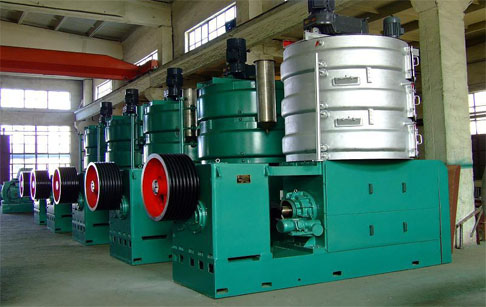
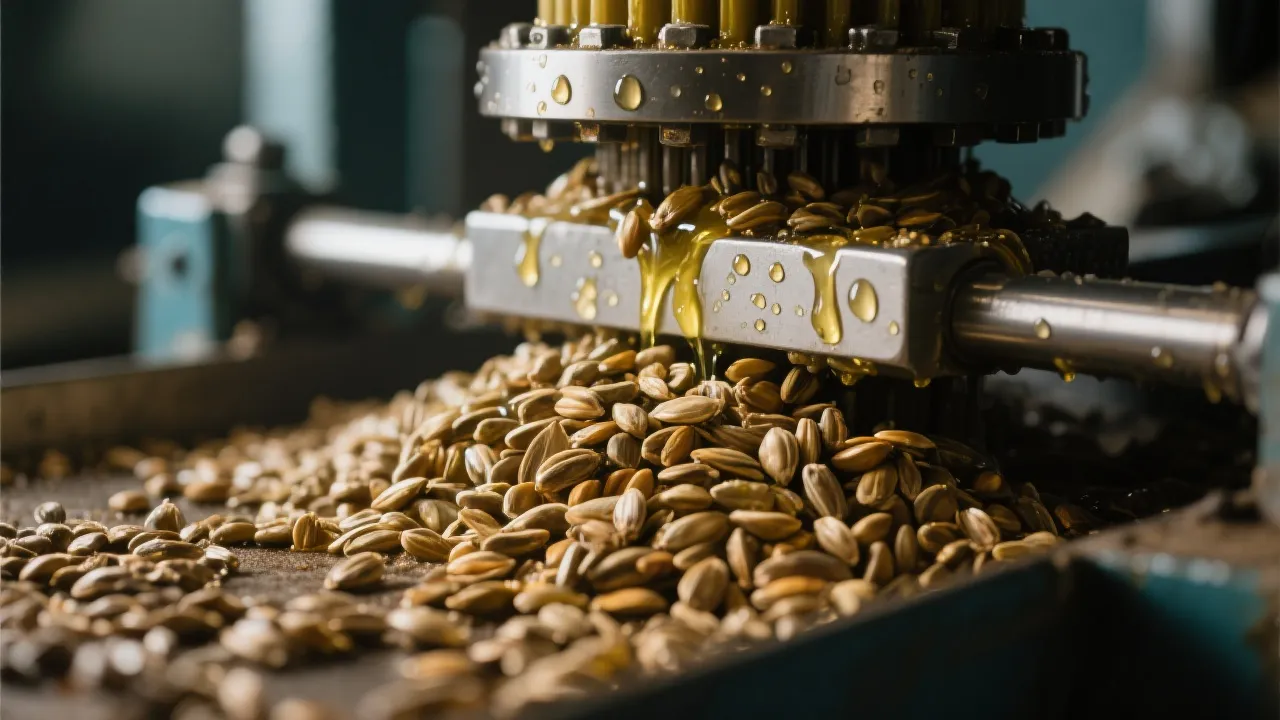
Energy - saving oil presses are a game - changer in this scenario. They mainly utilize advanced screw pressing technology. This technology can enhance the oil extraction efficiency by increasing the oil yield from soybeans. Traditional oil presses typically have an oil yield of about 12 - 15%, while energy - saving oil presses can boost it to 18 - 20%, a significant improvement.
In terms of energy consumption, traditional oil presses consume about 8 - 10 kWh per ton of soybeans, whereas energy - saving oil presses only use 5 - 6 kWh per ton. This represents a reduction in power consumption of up to 40%. Regarding labor, the automation of energy - saving oil presses reduces the need for manual operation, with traditional methods requiring about 3 - 4 operators per shift, while energy - saving models can operate with just 1 - 2 operators, reducing labor costs by approximately 50%.
Proper installation is crucial for energy - saving oil presses. First, choose a flat and dry installation location. The equipment needs to be firmly fixed to prevent vibrations during operation that could damage components. When connecting pipelines and power supplies, ensure tight connections to avoid oil leakage and power failures. Regular maintenance inspections during the installation process can help identify and resolve potential issues early.
.jpg)
Establishing a standardized operation management process is essential. Operators should be trained to follow strict start - up, shutdown, and daily inspection procedures. Regularly check the temperature, pressure, and oil level of the equipment. For example, keep the temperature of the pressing chamber between 80 - 100°C for optimal oil extraction. By adhering to these regulations, the service life of the equipment can be extended, and potential breakdowns can be minimized.
Common faults of energy - saving oil presses include low oil yield, abnormal noises, and poor temperature control. When the oil yield is low, it may be due to improper moisture content of soybeans or wear of pressing screws. Abnormal noises could be caused by loose parts or bearing damage. By quickly identifying and resolving these issues, the downtime of the equipment can be significantly reduced, ensuring continuous production.
During the spring plowing season, there is a high demand for soybean oil. An oil mill in a rural area used an energy - saving oil press. By optimizing the production process, they increased the daily oil production from 2 tons to 3 tons while reducing electricity and labor costs. This case shows the effectiveness of energy - saving oil presses in practical applications.
.jpg)
With the increasing emphasis on environmental protection and sustainable development, energy - saving oil presses are in line with the concept of green production. By reducing energy consumption and labor, these oil presses help businesses not only save costs in the short term but also improve their long - term competitiveness and environmental image.
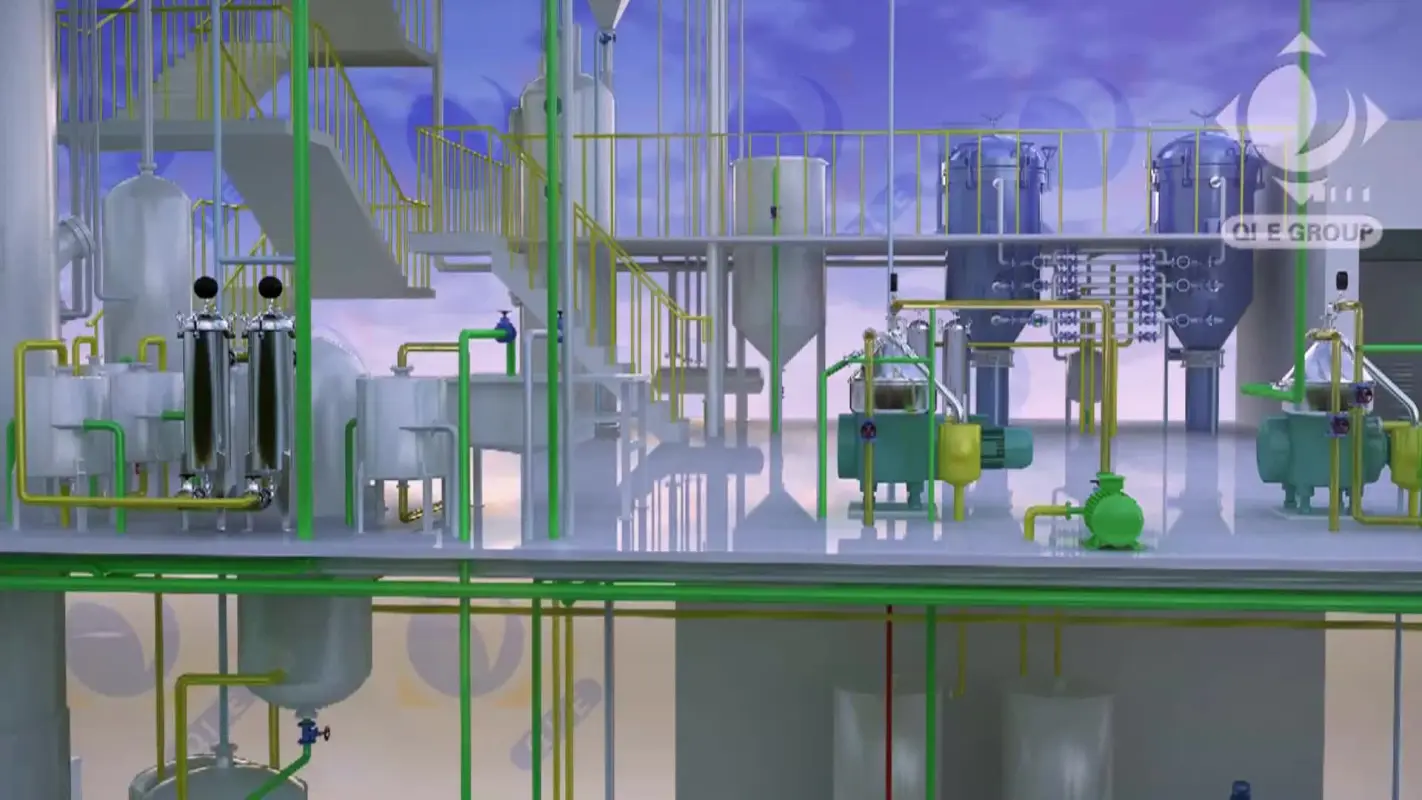
Here are some practical tips for users. Before starting the machine, pre - heat the soybeans to improve the oil yield. Regularly clean the equipment to prevent blockages. We also encourage users to share their experiences and ask questions in the comment section below. Our team of experts will provide professional answers.
Learn more about energy - saving oil press equipment information, welcome to consult
 energy-efficient screw oil press
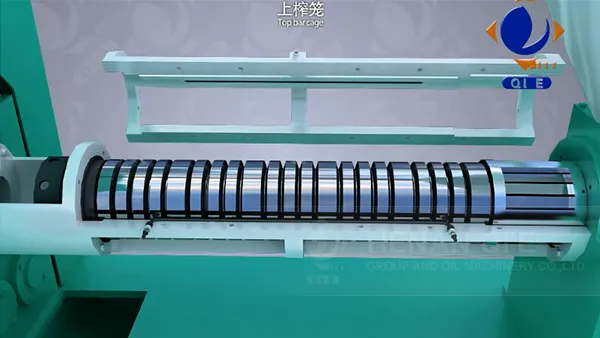
dual screw axis meshing
high-efficiency oil extraction
cold press hot press technology
eco-friendly oil extraction equipment
oil press maintenance
energy-saving tips
extend machine lifespan
household oil press cleaning
prevent oil press jamming
edible oil filtration system
multi-stage oil filter
oil purification technology
cold press oil machine
hot press oil machine
Fully automatic oil press
Cold and hot pressing technology
Energy - saving oil extraction equipment
Solutions for small and medium - sized oil mills
Oil extraction efficiency
spiral oil press
dual spiral shaft technology
high-efficiency oil extraction
cold and hot pressing
oil press maintenance
energy-efficient screw oil press
dual screw axis meshing
high-efficiency oil extraction
cold press hot press technology
eco-friendly oil extraction equipment
oil press maintenance
energy-saving tips
extend machine lifespan
household oil press cleaning
prevent oil press jamming
edible oil filtration system
multi-stage oil filter
oil purification technology
cold press oil machine
hot press oil machine
Fully automatic oil press
Cold and hot pressing technology
Energy - saving oil extraction equipment
Solutions for small and medium - sized oil mills
Oil extraction efficiency
spiral oil press
dual spiral shaft technology
high-efficiency oil extraction
cold and hot pressing
oil press maintenance

.jpg?x-oss-process=image/resize,h_800,m_lfit/format,webp)




.png?x-oss-process=image/resize,h_100,m_lfit/format,webp)
.png?x-oss-process=image/resize,h_100,m_lfit/format,webp)
.png?x-oss-process=image/resize,h_100,m_lfit/format,webp)