Are you facing the challenges of high energy consumption and heavy manual labor in rural oil processing? In this article, we'll delve into the technical advantages of energy-efficient soybean oil presses, starting from a comparison of equipment energy consumption. We'll explain in detail why this type of machine can save 40% on electricity costs and reduce labor input by 60%. Additionally, we'll provide installation specifications, operation management methods, and troubleshooting guides for common faults. We'll also offer efficiency optimization suggestions for the concentrated oil pressing scenarios during the spring plowing season, helping farmers and small workshops achieve green transformation and cost-effective operation.
Traditional rural oil processing methods often rely heavily on manual labor and consume a large amount of electricity. For example, in some small oil mills, the annual electricity cost can reach up to $5,000, and the labor cost accounts for about 30% of the total cost. These high costs not only reduce the profit margin but also limit the development of the oil processing industry in rural areas.
Let's take a look at the differences in electricity consumption and labor costs between traditional oil pressing methods and energy-efficient equipment. As shown in the following energy consumption comparison bar chart (Figure 1), traditional oil presses consume about 10 kWh per ton of oil, while energy-efficient soybean oil presses only consume 6 kWh per ton, achieving a 40% reduction in electricity consumption. In terms of labor, traditional methods require 5 workers per shift, while energy-efficient equipment only needs 2 workers, reducing labor input by 60%.
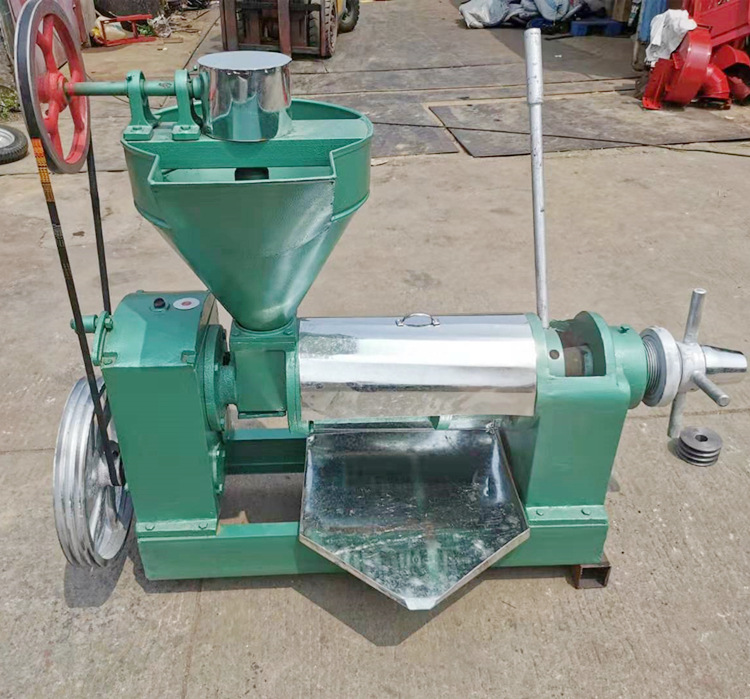
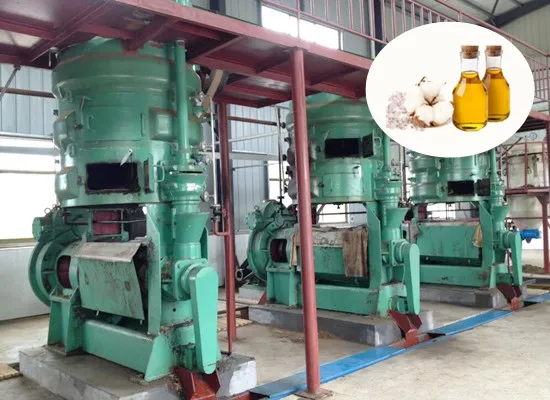
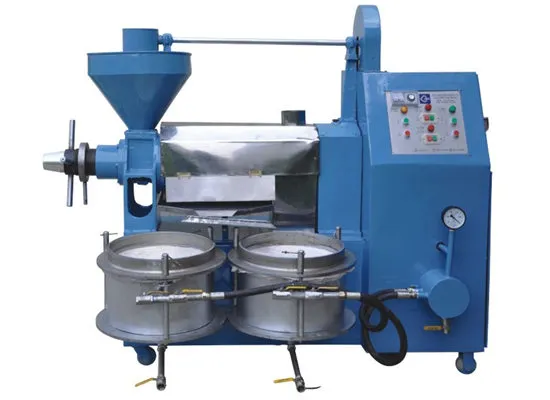
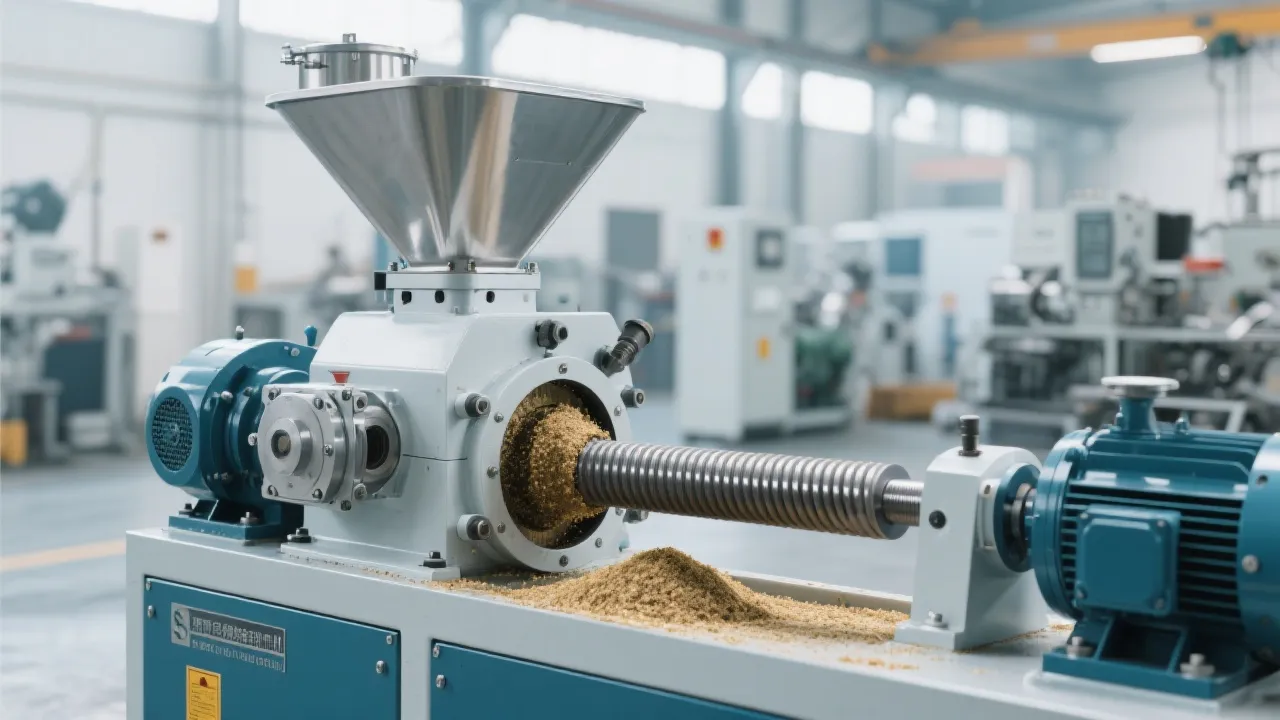
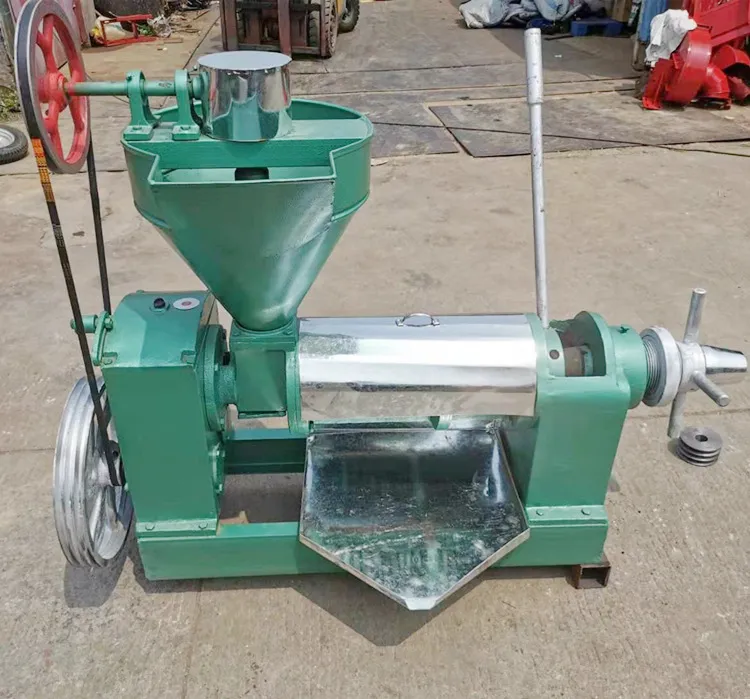
The screw pressing technology used in energy-efficient soybean oil presses plays a crucial role in improving oil yield and energy efficiency. By applying continuous pressure through a screw mechanism, the oil can be effectively extracted from the oilseeds. This technology not only increases the oil yield by about 10% compared to traditional methods but also reduces energy consumption due to its more efficient operation.
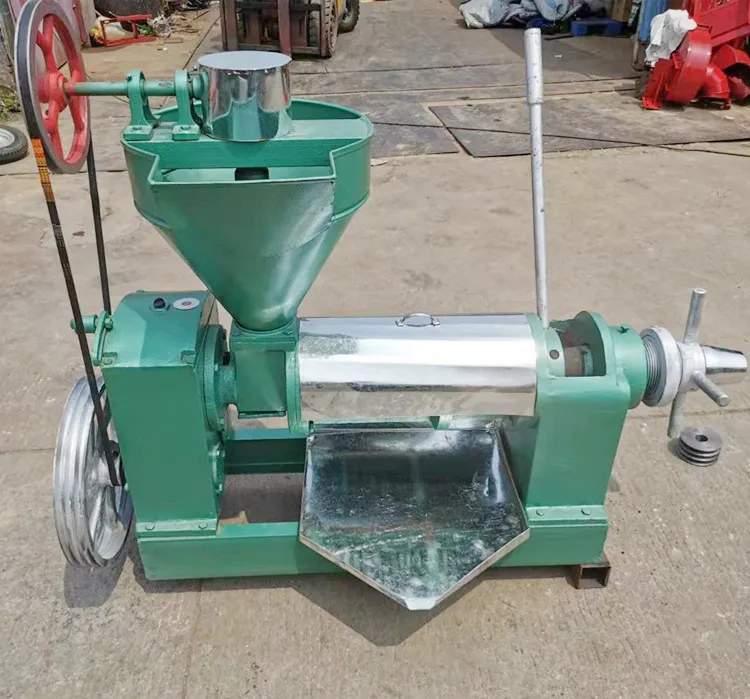
The compact structure design of energy-efficient oil presses is very suitable for small and medium-sized sites. It takes up less space and reduces the difficulty of installation and maintenance. For example, the installation area of an energy-efficient oil press is only about 5 square meters, while traditional oil presses may require more than 10 square meters. This compact design also makes it easier to move and adjust the equipment according to different production needs.
To ensure the long-term stable operation of the oil press, it is necessary to follow certain operation management specifications. Here is an operation flowchart (Figure 2) to guide you through the daily operation process. In addition, we have prepared a common problem introduction box to help you quickly troubleshoot typical problems. For example, if the oil yield is low, it may be due to improper adjustment of the screw or clogged filters. By referring to the troubleshooting guide, you can quickly find the cause and solve the problem.
.jpg)
During the spring plowing season, there is a concentrated demand for oil pressing. To improve efficiency, you can adopt some optimization strategies. For example, pre - heat the oilseeds before pressing to increase the fluidity of the oil, and adjust the pressing speed according to the type and moisture content of the oilseeds. By implementing these strategies, you can increase the daily production capacity by about 20%.
Adopting energy-efficient oil presses is not only beneficial for cost reduction but also in line with the concept of green production. By reducing energy consumption and labor input, we can achieve sustainable development in rural oil processing. Moreover, with proper operation management and regular maintenance, the equipment can ensure long-term stable operation, providing a reliable guarantee for your production.
Discover more efficient oil pressing solutions and take your rural oil processing to the next level. Click here to get exclusive technical information.
 peanut sesame oil press machine
physical oil pressing technology
cold press vs hot press
small workshop oil extraction
home oil processing solutions
Cold pressing technology advantages and disadvantages
Comparison of hot oil pressing processes
Edible oil production technology
Oil nutrition retention
Oilseed press
multi-stage oil filtration system
precision oil press machine
edible oil refining technology
energy-efficient oil extraction
oil purification process
multi-stage filtration system
edible oil processing
oil purity improvement
shelf life extension
energy-efficient oil press
spiral oil press machine design
dual screw intermeshing technology
efficient oil extraction rate
cold press vs hot press oil extraction
self-cleaning oil press
peanut sesame oil press machine
physical oil pressing technology
cold press vs hot press
small workshop oil extraction
home oil processing solutions
Cold pressing technology advantages and disadvantages
Comparison of hot oil pressing processes
Edible oil production technology
Oil nutrition retention
Oilseed press
multi-stage oil filtration system
precision oil press machine
edible oil refining technology
energy-efficient oil extraction
oil purification process
multi-stage filtration system
edible oil processing
oil purity improvement
shelf life extension
energy-efficient oil press
spiral oil press machine design
dual screw intermeshing technology
efficient oil extraction rate
cold press vs hot press oil extraction
self-cleaning oil press


.png?x-oss-process=image/resize,h_100,m_lfit/format,webp)
.png?x-oss-process=image/resize,h_100,m_lfit/format,webp)
.png?x-oss-process=image/resize,h_100,m_lfit/format,webp)