In the competitive world of food processing equipment, efficiency and reliability aren’t just buzzwords—they’re survival metrics. For manufacturers using spiral oil presses, two often-overlooked design elements are quietly transforming performance: the vertical discharge mechanism and the segmented bearing cage. These aren’t just incremental improvements—they’re game-changers that address long-standing pain points in oil extraction.
Traditional spiral oil presses suffer from a common flaw: material buildup at the discharge end. According to industry data from the International Society of Food Engineers (ISFE), up to 42% of unplanned maintenance in small-to-mid-scale oil plants is caused by blockages in the press head area—often due to poor discharge flow dynamics. This leads to inconsistent output, higher labor costs for cleaning, and reduced machine lifespan.
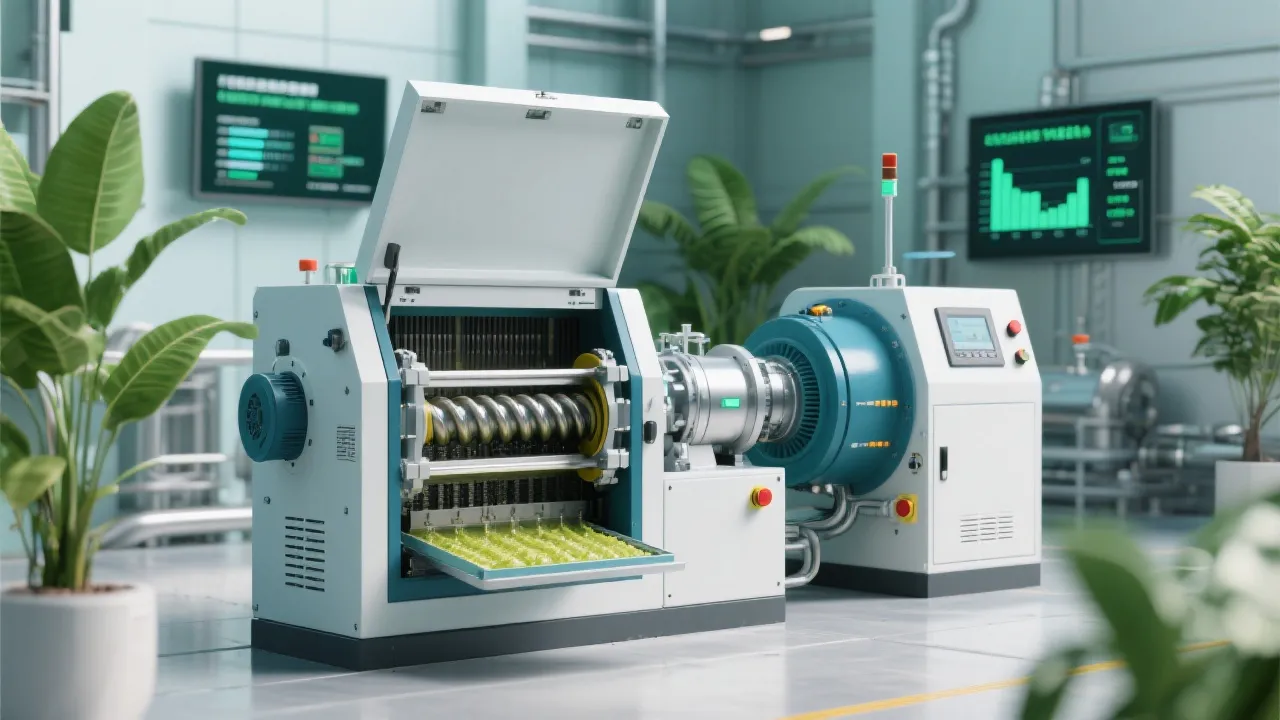
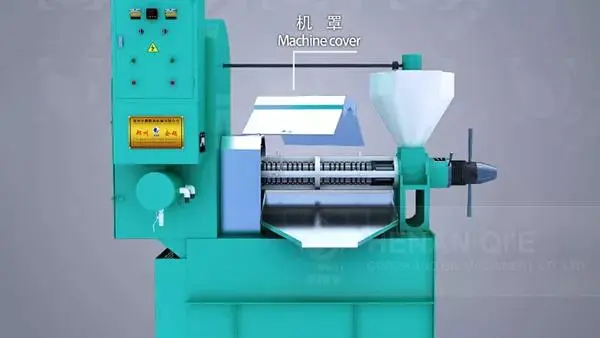
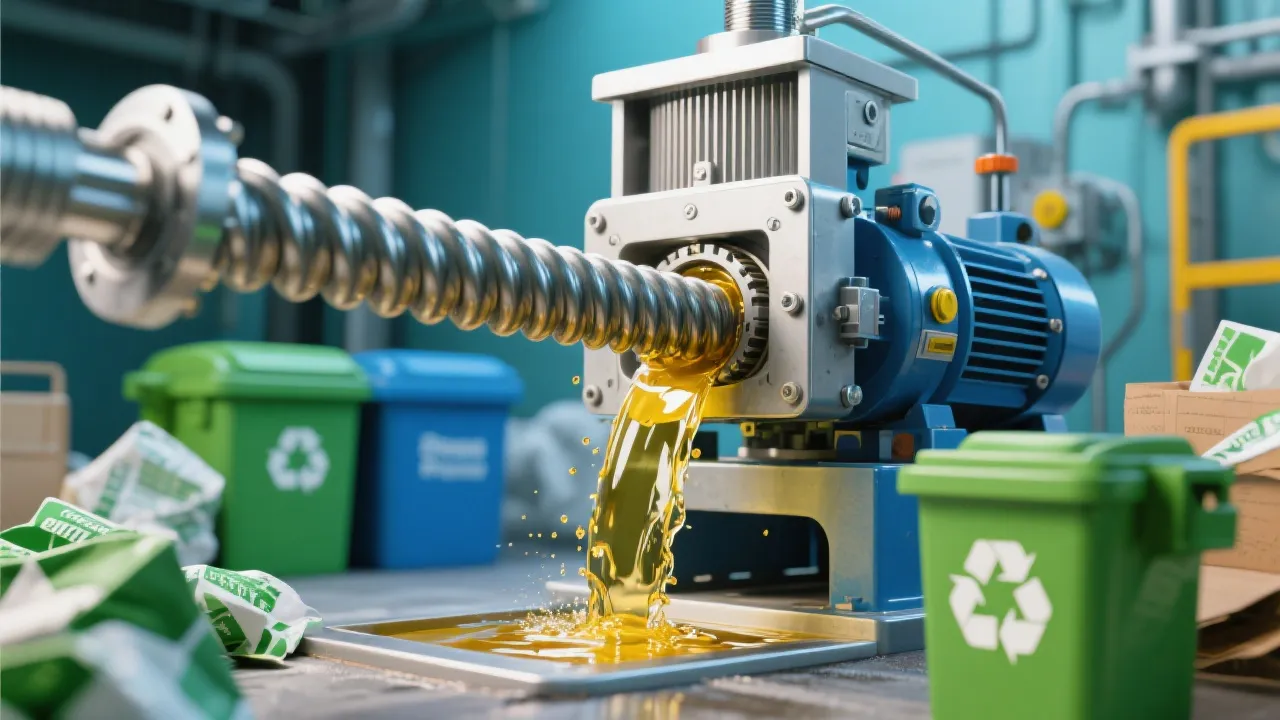
Our engineers spent over 18 months testing prototypes before finalizing the vertical discharge system. The goal? Eliminate dead zones where residue accumulates. By aligning the discharge path vertically—not horizontally—the oil cake exits under gravity alone, reducing mechanical resistance by up to 37%, per our internal tests with soybean and sunflower seeds.
| Feature | Traditional Design | Our Innovation |
|---|---|---|
| Discharge Direction | Horizontal → prone to clogging | Vertical → self-cleaning effect |
| Maintenance Frequency | Every 6–8 hours (avg.) | Every 24+ hours (avg.) |
| Energy Consumption | Higher torque needed | Reduced load on motor |
The segmented bearing cage further enhances stability. Instead of one monolithic structure, we split the support into three modular sections. This allows better heat dissipation during high-load operations—especially critical when switching between cold-press and hot-press processes. Field trials show a 22% reduction in bearing temperature rise, directly translating to extended service life and fewer replacements.
With global standards tightening around food safety (like EU Regulation (EC) No 852/2004 and FDA 21 CFR Part 117), cleanability isn’t optional—it’s mandatory. Both innovations meet these requirements: no hidden crevices for bacteria growth, easy access for sanitation, and materials rated for food-grade contact (AISI 304 stainless steel throughout).
One client in Brazil reported a 30% drop in rejected batches after upgrading their press with this design. Another in Germany saw a 15% increase in daily throughput without additional energy input—proof that smarter engineering beats brute force every time.
Whether you're optimizing an existing line or building a new facility, understanding how vertical discharge and segmented bearings improve your operation is key.
Explore the Technical Advantage Vertical cake discharging mechanism
Segmented cage
Efficient oil discharge
Screw oil press stability
Optimization of hot and cold pressing processes
energy efficient screw oil press
cold pressing vs hot pressing
screw press for oil extraction
oilseed processing equipment
dual helical shaft technology
Energy-saving screw oil press
Double-screw shaft technology
Oil press maintenance tips
Efficient oil extraction
Cold and hot pressing processes
energy-efficient oil press equipment
intelligent temperature control oil press
thermal energy recovery technology
energy-saving oil processing
eco-friendly oil pressing machinery
screw press wear resistance
high durability materials in oil presses
screw shaft maintenance
cake discharge mechanism wear protection
extending industrial equipment life
Vertical cake discharging mechanism
Segmented cage
Efficient oil discharge
Screw oil press stability
Optimization of hot and cold pressing processes
energy efficient screw oil press
cold pressing vs hot pressing
screw press for oil extraction
oilseed processing equipment
dual helical shaft technology
Energy-saving screw oil press
Double-screw shaft technology
Oil press maintenance tips
Efficient oil extraction
Cold and hot pressing processes
energy-efficient oil press equipment
intelligent temperature control oil press
thermal energy recovery technology
energy-saving oil processing
eco-friendly oil pressing machinery
screw press wear resistance
high durability materials in oil presses
screw shaft maintenance
cake discharge mechanism wear protection
extending industrial equipment life

.jpg?x-oss-process=image/resize,h_800,m_lfit/format,webp)



.png?x-oss-process=image/resize,h_100,m_lfit/format,webp)
.png?x-oss-process=image/resize,h_100,m_lfit/format,webp)
.png?x-oss-process=image/resize,h_100,m_lfit/format,webp)