.jpg?x-oss-process=image/resize,h_3000,m_lfit/format,webp)
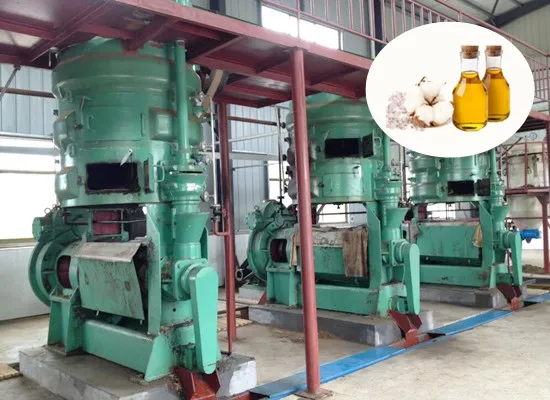
In the realm of vegetable oil processing, the screw pressing technology has emerged as a revolutionary approach. QIE Group, a well - known name in the industry, has been at the forefront of developing and optimizing this technology. This article delves into the key aspects of screw pressing technology, focusing on how it can effectively improve soybean oil yield and its energy - saving mechanisms.
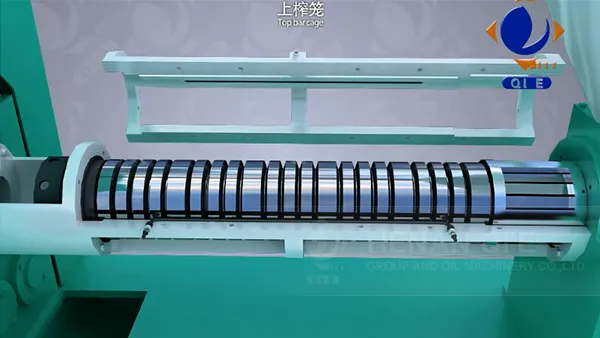
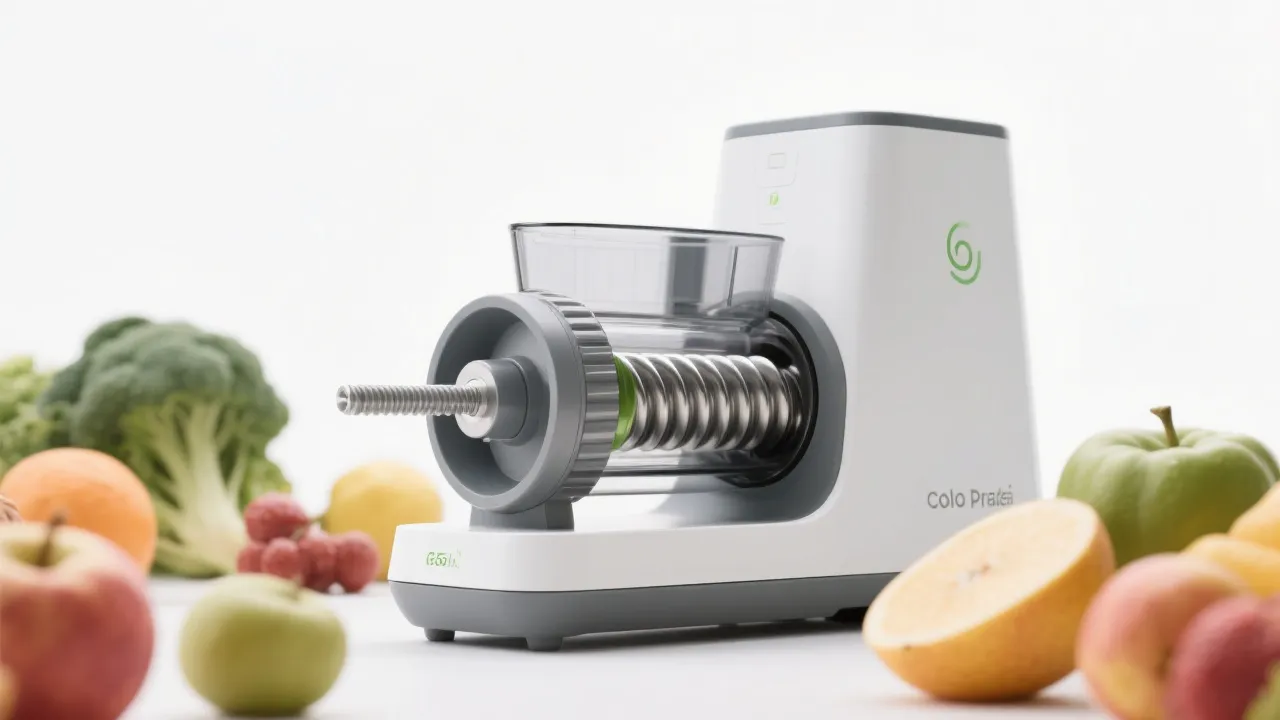
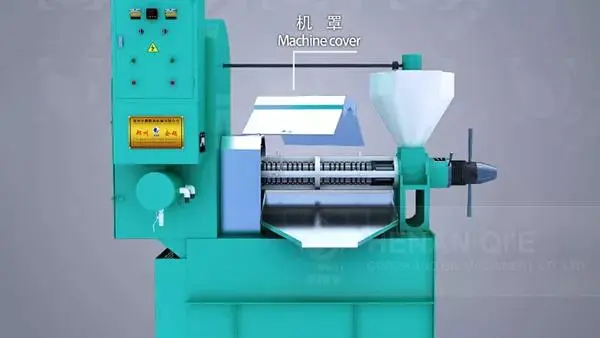
The screw pressing technology operates on a simple yet efficient principle. As the screw rotates, it creates a continuous pressure on the soybeans, gradually squeezing out the oil. According to industry research, this technology can increase the soybean oil yield by up to 10% compared to traditional methods. The design of the screw and the pressing chamber is crucial. A well - designed screw can ensure uniform distribution of pressure, maximizing the oil extraction rate. For instance, a screw with a specific pitch and diameter can adapt to different soybean qualities, achieving better results.
.jpg)
Energy consumption is a major concern for oil processing enterprises. The energy - saving screw pressing machines developed by QIE Group are designed to address this issue. These machines adopt advanced motor control systems and optimized mechanical structures. By reducing unnecessary power consumption during the pressing process, they can save up to 15% of energy compared to conventional machines. For example, the use of high - efficiency motors and intelligent control systems can adjust the power output according to the actual processing needs, ensuring energy is used more efficiently.
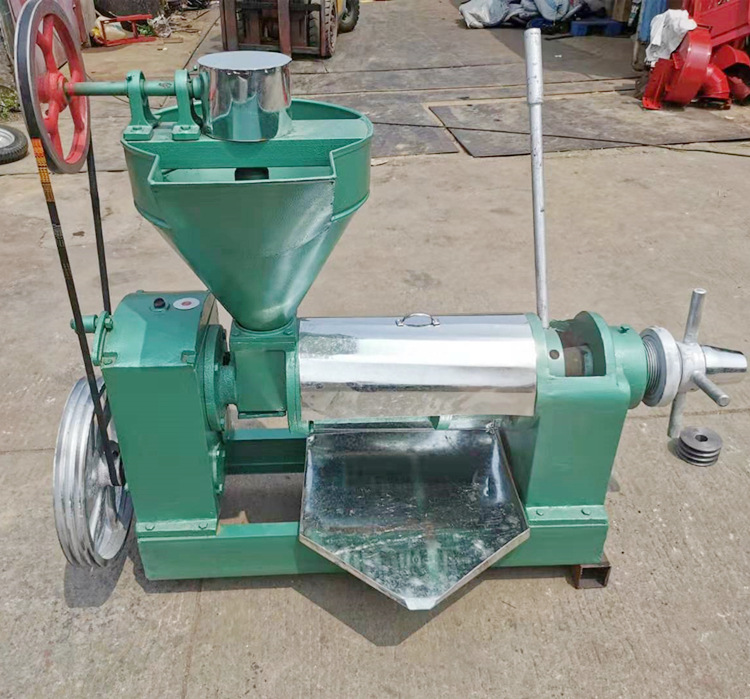
Small and medium - sized oil mills and rural processing units often face challenges such as limited capital and technical resources. The screw pressing technology is highly suitable for these scenarios. The compact design of the equipment allows it to be easily installed in small spaces. Moreover, the relatively low maintenance cost makes it an economical choice. In rural areas, where the availability of raw materials is abundant, this technology can significantly boost local economic development. For example, a small - scale oil mill in a rural area can increase its daily production by 20% after adopting this technology, leading to higher profits.
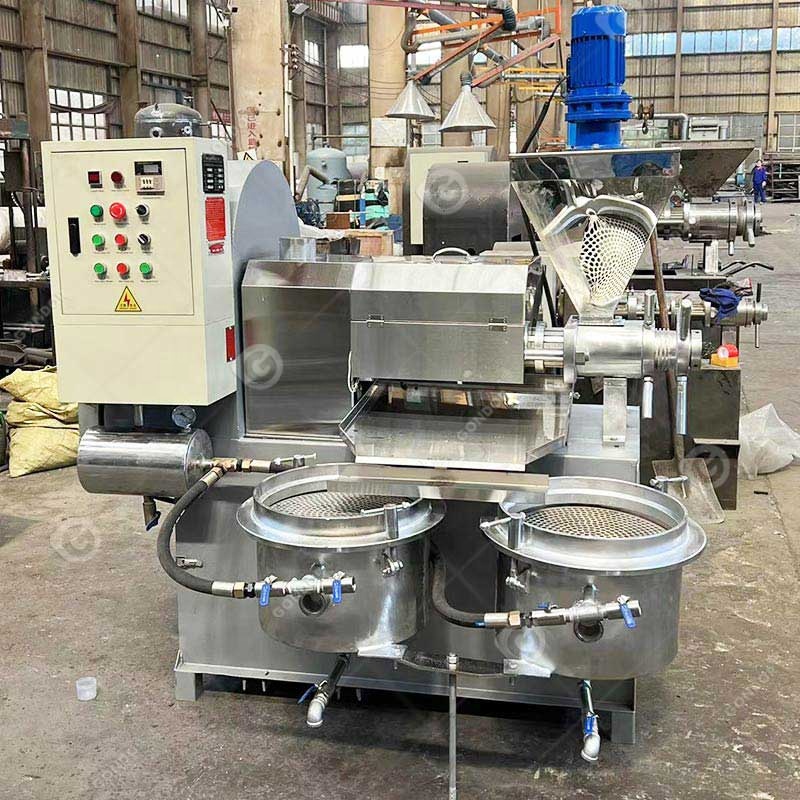
Different vegetable oilseed raw materials, such as soybeans, peanuts, and rapeseeds, have different physical and chemical properties. Therefore, the equipment parameters need to be adjusted accordingly. For soybeans, a relatively lower pressing temperature is required to preserve the quality of the oil. In contrast, peanuts can withstand higher temperatures during the pressing process. By adjusting parameters such as the rotation speed of the screw and the pressure in the pressing chamber, the optimal oil extraction effect can be achieved for different raw materials.
Let's take a look at some real - world examples. A medium - sized oil mill in the Midwest of the United States adopted the screw pressing technology provided by QIE Group. After six months of operation, the oil yield increased from 18% to 20%, and the energy cost decreased by 12%. These data clearly demonstrate the effectiveness of the technology.
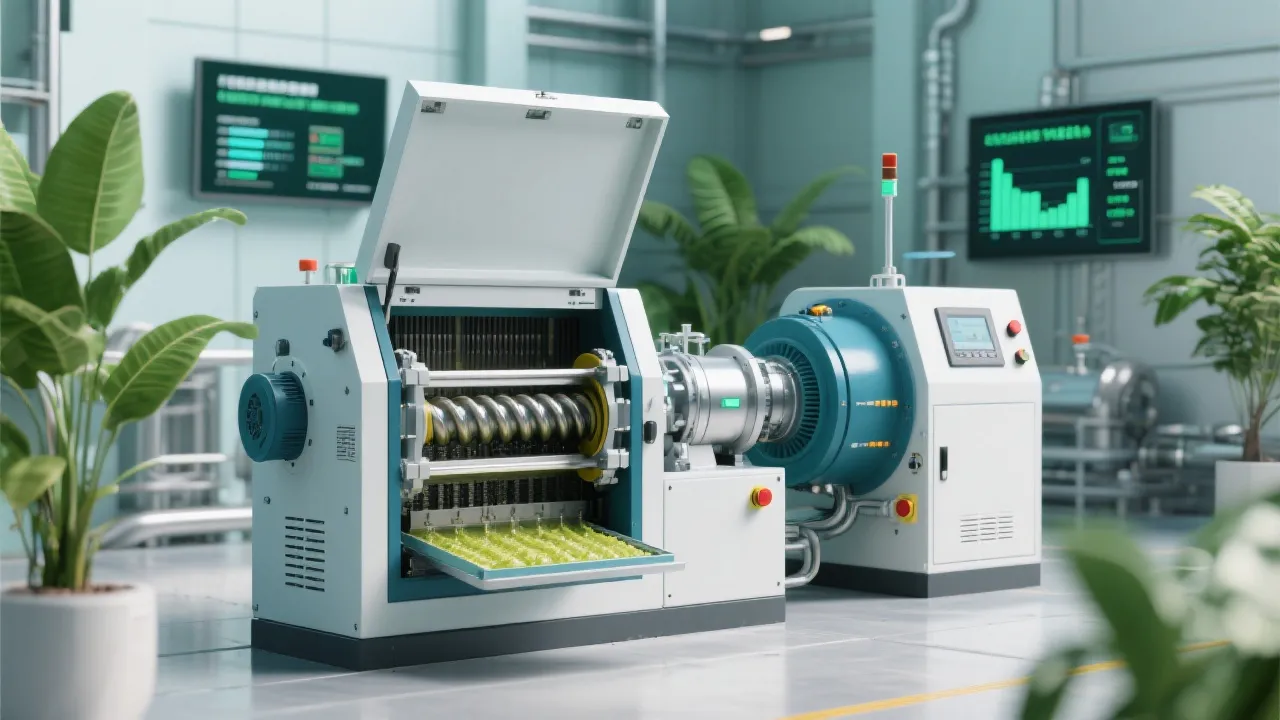
To ensure the long - term stable operation of the equipment, regular maintenance is essential. Some basic maintenance points include checking the lubrication of the screw, cleaning the pressing chamber, and inspecting the electrical components. In case of common faults, such as abnormal noise or reduced oil yield, a troubleshooting guide can help users quickly identify and solve the problems. For example, if the oil yield decreases, it may be due to a clogged pressing chamber, which can be resolved by cleaning the chamber.
If you are an oil processing enterprise seeking technological upgrades and cost control, QIE Group screw pressing technology is your ideal solution. Click here to learn more about our products and services.
 multi-stage filtration system
edible oil processing technology
oil refining efficiency
automatic oil press filtration
nutrient retention in oil
Fully automatic oil press
Cold and hot pressing technology
Solutions for small and medium - sized oil mills
Energy - saving oil pressing equipment
Oilseed pressing process
Cold pressing technology advantages and disadvantages
Comparison of hot pressing oil extraction processes
Edible oil production technology
Energy-saving advantages of oil presses
Oil extraction technology
screw oil press optimization
vertical cake discharge mechanism
segmented retaining cage design
cold pressing vs hot pressing
oil press maintenance reduction
multi-stage filtration system
edible oil refining
oil purity improvement
nutrient retention in oil
energy-efficient oil press
multi-stage filtration system
edible oil processing technology
oil refining efficiency
automatic oil press filtration
nutrient retention in oil
Fully automatic oil press
Cold and hot pressing technology
Solutions for small and medium - sized oil mills
Energy - saving oil pressing equipment
Oilseed pressing process
Cold pressing technology advantages and disadvantages
Comparison of hot pressing oil extraction processes
Edible oil production technology
Energy-saving advantages of oil presses
Oil extraction technology
screw oil press optimization
vertical cake discharge mechanism
segmented retaining cage design
cold pressing vs hot pressing
oil press maintenance reduction
multi-stage filtration system
edible oil refining
oil purity improvement
nutrient retention in oil
energy-efficient oil press

.jpg?x-oss-process=image/resize,h_800,m_lfit/format,webp)
.jpg?x-oss-process=image/resize,h_800,m_lfit/format,webp)


.png?x-oss-process=image/resize,h_100,m_lfit/format,webp)
.png?x-oss-process=image/resize,h_100,m_lfit/format,webp)
.png?x-oss-process=image/resize,h_100,m_lfit/format,webp)


.jpg?x-oss-process=image/resize,h_800,m_lfit/format,webp)