In the realm of small and medium-sized edible oil production, choosing the right oil extraction process is crucial for optimizing production efficiency, enhancing oil quality, and ultimately boosting market competitiveness. This guide delves into the differences between cold pressing and hot pressing, two prevalent oil extraction techniques, to help you make an informed decision for your business.
Cold pressing is a low-temperature extraction method that typically operates below 60°C. This gentle process helps preserve the natural nutrients, flavors, and antioxidants in the oilseeds. For instance, cold-pressed olive oil retains high levels of vitamin E and polyphenols, which are beneficial for health. On the other hand, hot pressing involves heating the oilseeds to higher temperatures, usually between 100°C and 120°C. This process increases the oil yield by breaking down the cell walls of the oilseeds more effectively, but it may also lead to some loss of nutrients.

When it comes to oil production efficiency, hot pressing generally has an edge. It can extract up to 90% of the oil from the oilseeds, compared to around 70% - 80% for cold pressing. However, cold-pressed oils are often considered to be of higher quality due to their better nutrient retention and milder flavor. In terms of energy consumption, cold pressing is more energy-efficient as it requires less heating. But hot pressing may be more cost-effective in large-scale production due to its higher oil yield.
Equipment maintenance is another factor to consider. Cold pressing machines are relatively simpler in structure and easier to maintain, while hot pressing machines may require more frequent maintenance due to the high-temperature operation. Additionally, the initial investment for hot pressing equipment is usually higher than that for cold pressing equipment.

Let's take a look at some real-world examples. A small olive oil mill in Italy switched from hot pressing to cold pressing and saw an increase in the sales of its premium olive oil by 30% within a year. The cold-pressed oil's superior taste and health benefits attracted more health-conscious consumers. In contrast, a medium-sized soybean oil factory in the United States adopted hot pressing to meet the high demand for bulk oil. By optimizing the hot pressing process, they were able to increase their daily production capacity by 20% while reducing the energy consumption per ton of oil by 15%.
Q: Which process is better for producing high-quality oil?
A: Cold pressing is generally better for producing high-quality oil as it preserves more nutrients and flavors. However, if you prioritize high oil yield, hot pressing may be a better choice.
Q: Can I use the same equipment for both cold pressing and hot pressing?
A: Some advanced oil presses are designed to support both cold pressing and hot pressing. These machines offer more flexibility for different production needs.
Q: How can I reduce the energy consumption in the oil extraction process?
A: You can choose energy-efficient equipment and optimize the production process. For example, using preheating techniques in hot pressing can reduce the overall energy consumption.
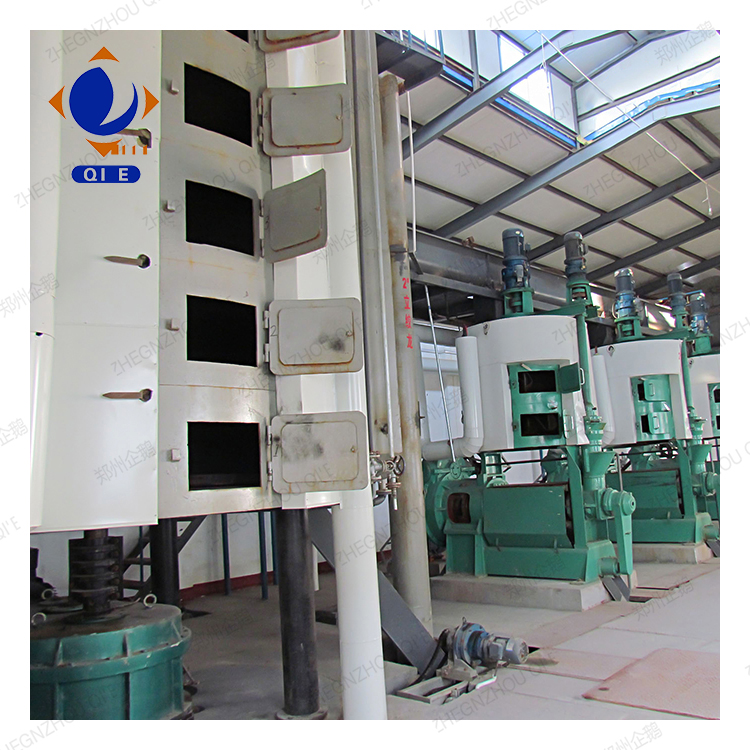
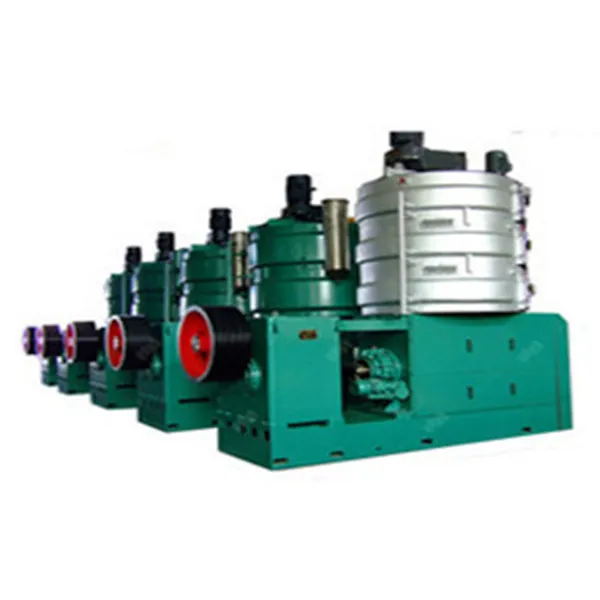
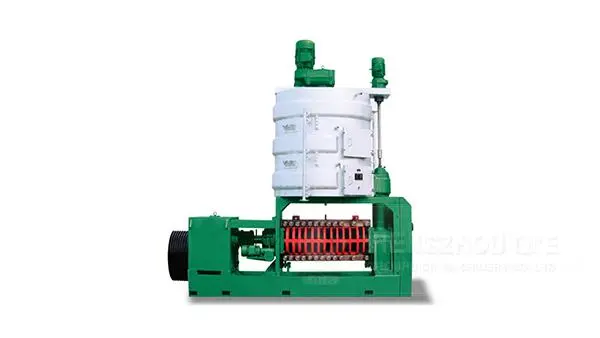
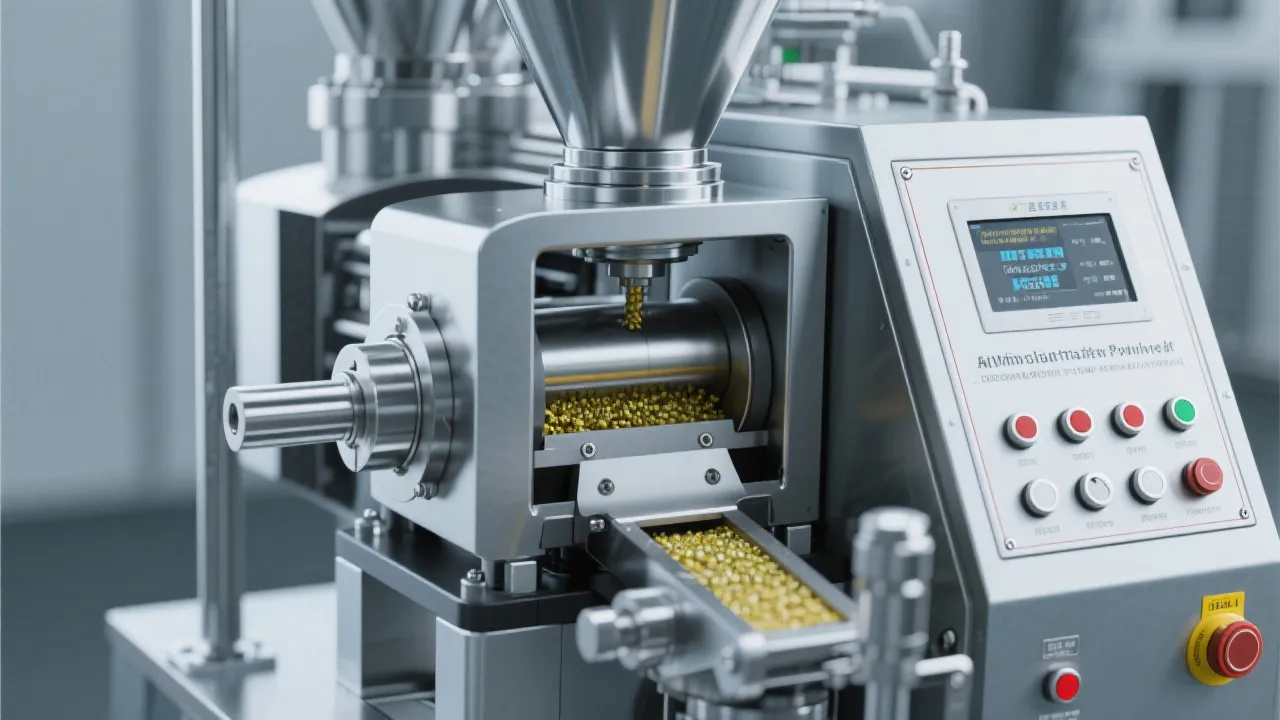
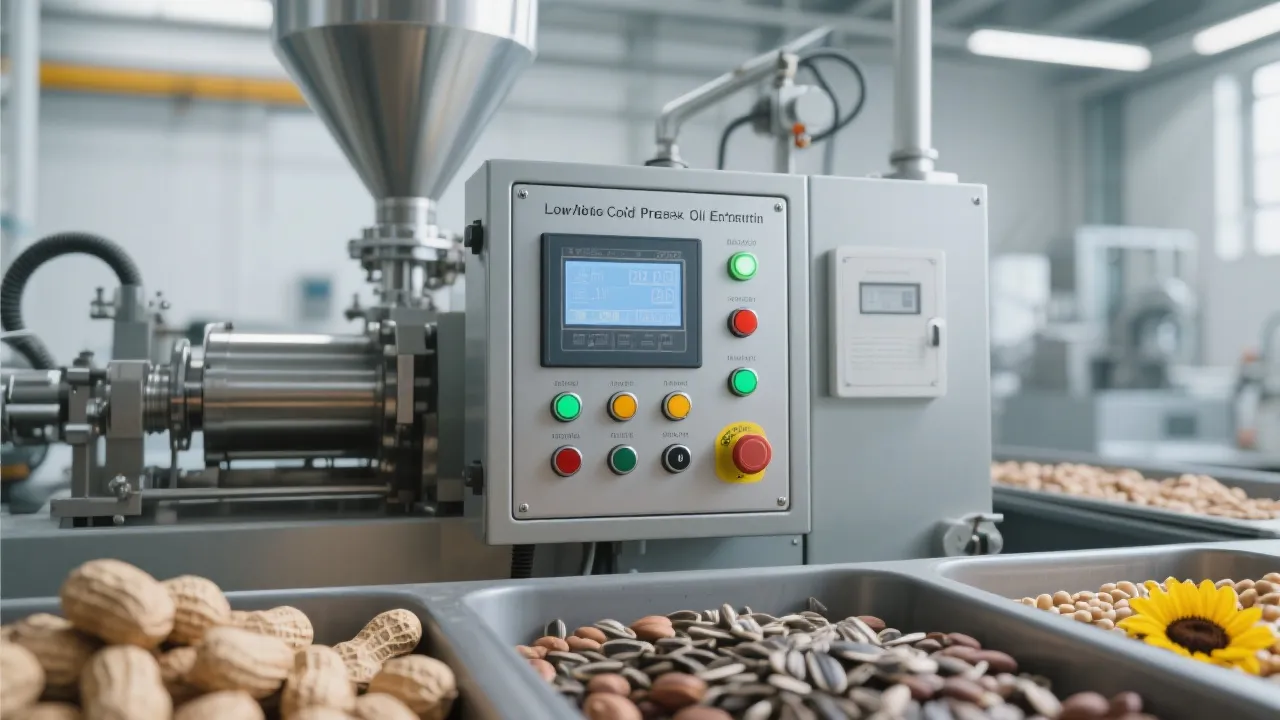
In conclusion, choosing between cold pressing and hot pressing depends on your specific business needs, production scale, and market demand. To help you make the most of these technologies, our company offers a state-of-the-art fully automatic cold and hot oilseed press. This machine combines the advantages of both cold and hot pressing, featuring energy efficiency, high productivity, and multi-functional capabilities. It can significantly upgrade your production process, improve oil quality and quantity, and enhance your brand's competitiveness in the market. Click here to learn more about how our press can transform your edible oil production!
 dual spiral shaft technology
screw press oil extraction efficiency
energy-saving oil press machine
cold pressing vs hot pressing
oilseed processing equipment
Cold - pressing technology advantages and disadvantages
Comparison of hot - pressing oil extraction processes
Edible oil production equipment
Oil extraction technology
Energy - saving technology for oil presses
screw press technology
vertical cake discharge
segmented support cage
oil extraction efficiency
food processing compliance
automated oil press machine
cold hot press oil expeller
small oil mill equipment
energy-efficient oil extraction
edible oil processing equipment
Energy-efficient twin-screw oil press
Twin-screw shaft meshing technology
Oil extraction efficiency
Low-energy oil pressing
Cold and hot pressing processes
dual spiral shaft technology
screw press oil extraction efficiency
energy-saving oil press machine
cold pressing vs hot pressing
oilseed processing equipment
Cold - pressing technology advantages and disadvantages
Comparison of hot - pressing oil extraction processes
Edible oil production equipment
Oil extraction technology
Energy - saving technology for oil presses
screw press technology
vertical cake discharge
segmented support cage
oil extraction efficiency
food processing compliance
automated oil press machine
cold hot press oil expeller
small oil mill equipment
energy-efficient oil extraction
edible oil processing equipment
Energy-efficient twin-screw oil press
Twin-screw shaft meshing technology
Oil extraction efficiency
Low-energy oil pressing
Cold and hot pressing processes



.jpg?x-oss-process=image/resize,h_800,m_lfit/format,webp)




.png?x-oss-process=image/resize,h_100,m_lfit/format,webp)
.png?x-oss-process=image/resize,h_100,m_lfit/format,webp)
.png?x-oss-process=image/resize,h_100,m_lfit/format,webp)