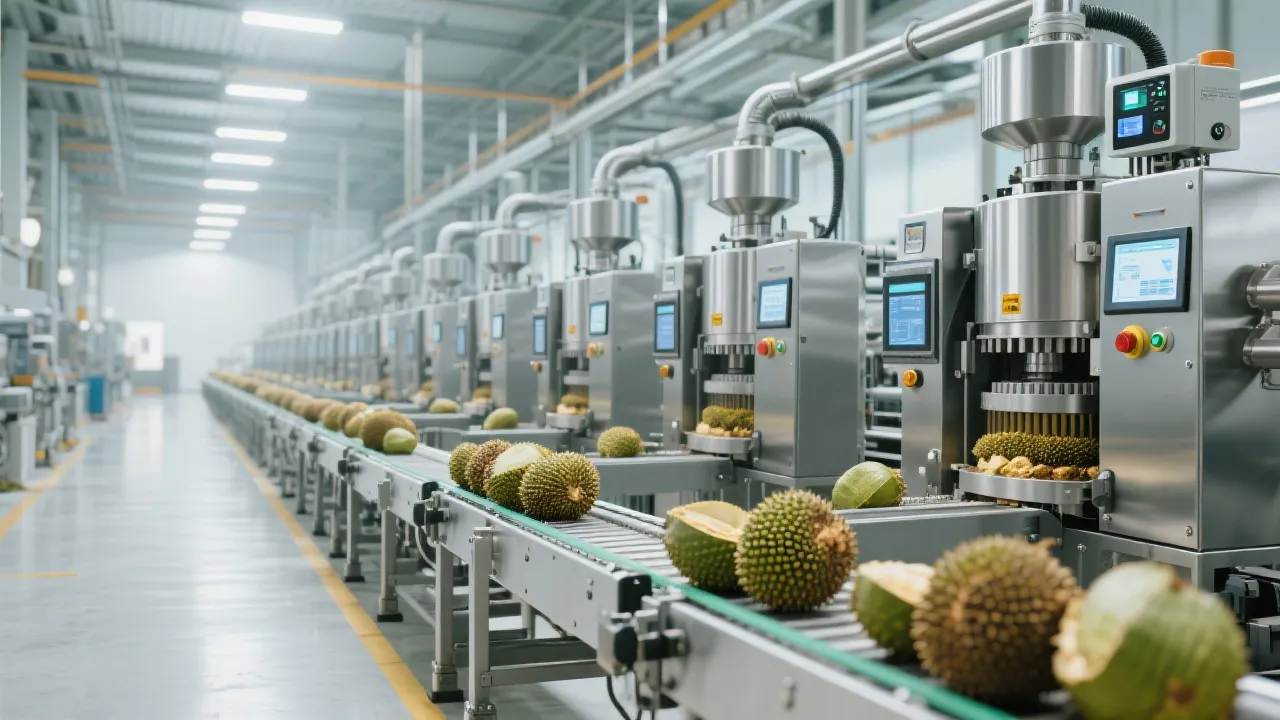
In the highly competitive landscape of the small oil mill industry, energy consumption management has become a crucial factor in determining profitability and sustainability. This article, brought to you by Penguin Group, delves into practical strategies for small oil mills to significantly reduce energy consumption and enhance operational efficiency through scientific equipment scheduling and precise temperature control.
One of the key aspects of energy management in small oil mills is the reasonable scheduling of equipment operation time. By analyzing the production process and demand patterns, mill operators can arrange equipment to run during off - peak hours when electricity rates are lower. For example, in some regions, off - peak electricity rates can be up to 30% lower than peak rates. This simple adjustment can lead to substantial cost savings over time. Moreover, proper scheduling also helps to avoid overloading the power grid, reducing the risk of power outages and equipment damage.
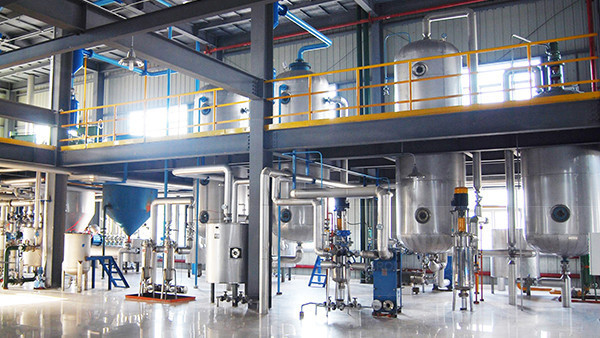
The heating section is a major energy - consuming part of the oil extraction process. Optimizing the temperature control in this section can lead to significant energy savings. Instead of maintaining a constant high temperature throughout the process, operators can adopt a step - by - step heating strategy. For instance, pre - heating the raw materials to a certain temperature and then gradually increasing the temperature during the extraction process can reduce energy waste. Studies have shown that this method can reduce energy consumption in the heating section by up to 20%.
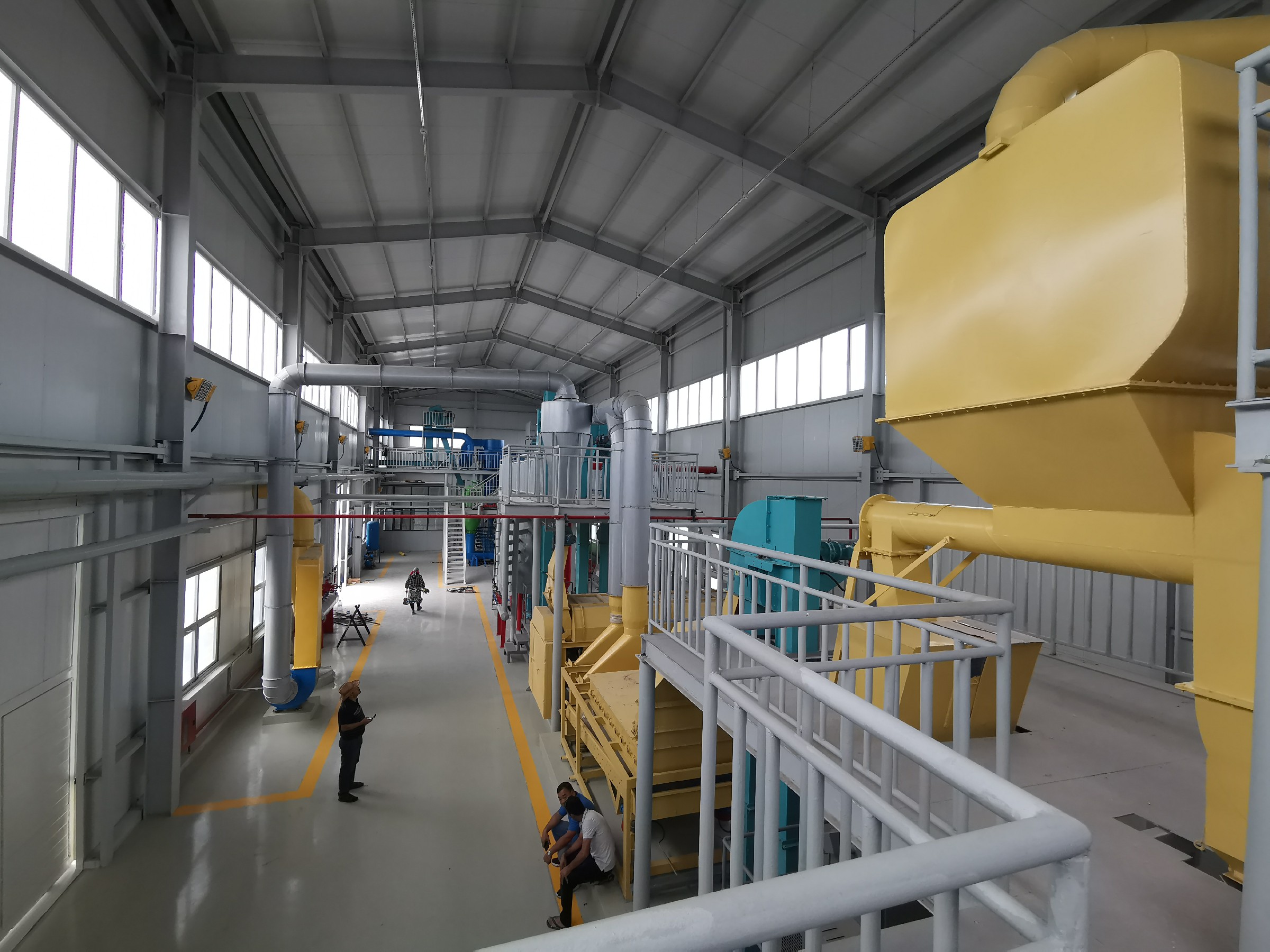
Over time, scale can accumulate in the oil press chamber, which not only affects the quality of oil extraction but also increases energy consumption. Regularly cleaning the scale can improve the efficiency of the equipment. The cleaning process involves disassembling the relevant parts, using appropriate cleaning agents, and then reassembling the equipment. By doing so, the energy consumption can be reduced by approximately 15% due to improved heat transfer and mechanical efficiency.
Implementing a preventive maintenance plan is essential for reducing energy consumption and extending the service life of equipment. This includes regular bearing lubrication, checking and adjusting the tension of the transmission belt, and calibrating the pressure of the hydraulic system. For example, proper bearing lubrication can reduce friction, which in turn reduces energy consumption and the risk of equipment failure. It is recommended to lubricate the bearings every 200 operating hours. Regularly checking the transmission belt tension can ensure smooth power transmission, and calibrating the hydraulic system pressure can maintain the stability of the equipment operation.

To help small oil mill operators implement these energy - saving strategies more effectively, we have provided practical energy - saving lists and checklists based on years of on - site operation and maintenance experience. These lists cover all aspects of energy management and equipment maintenance, making it easier for operators to follow and ensure that all energy - saving measures are in place.
By implementing these energy - saving and equipment maintenance strategies, small oil mills can not only significantly reduce energy consumption and operating costs but also extend the service life of equipment, achieving long - term stable profitability. Don't miss out on this opportunity to transform your oil mill operations!
Discover More Energy - Saving Solutions for Your Oil Mill Hydraulic oil press solid wax separation
Vacuum filtration technology
Pressing efficiency improvement
Oil purity optimization
Vegetable oil pressing process
Industrial rapeseed hydraulic oil press
Oil press operation process
Rapeseed pressing technology
High - pressure hydraulic oil press
Oil pressing efficiency improvement
oil press maintenance
how to avoid oil press clogging
energy-saving oil press tips
home oil press cleaning
press chamber cleaning method
Industrial rapeseed hydraulic oil press
Oil press operation process
High - pressure hydraulic oil pressing technology
Rapeseed pressing efficiency improvement
Oil press energy - saving skills
High-pressure hydraulic oil press
Multi-oil applicable oil pressing equipment
Energy-saving hydraulic oil press
Vacuum filtration oil pressing technology
Vegetable oil pressing efficiency
Hydraulic oil press solid wax separation
Vacuum filtration technology
Pressing efficiency improvement
Oil purity optimization
Vegetable oil pressing process
Industrial rapeseed hydraulic oil press
Oil press operation process
Rapeseed pressing technology
High - pressure hydraulic oil press
Oil pressing efficiency improvement
oil press maintenance
how to avoid oil press clogging
energy-saving oil press tips
home oil press cleaning
press chamber cleaning method
Industrial rapeseed hydraulic oil press
Oil press operation process
High - pressure hydraulic oil pressing technology
Rapeseed pressing efficiency improvement
Oil press energy - saving skills
High-pressure hydraulic oil press
Multi-oil applicable oil pressing equipment
Energy-saving hydraulic oil press
Vacuum filtration oil pressing technology
Vegetable oil pressing efficiency


.png?x-oss-process=image/resize,h_100,m_lfit/format,webp)
.png?x-oss-process=image/resize,h_100,m_lfit/format,webp)
.png?x-oss-process=image/resize,h_100,m_lfit/format,webp)


.jpg?x-oss-process=image/resize,h_800,m_lfit/format,webp)

.jpg?x-oss-process=image/resize,h_800,m_lfit/format,webp)


.jpg?x-oss-process=image/resize,h_800,m_lfit/format,webp)
.jpg?x-oss-process=image/resize,h_800,m_lfit/format,webp)