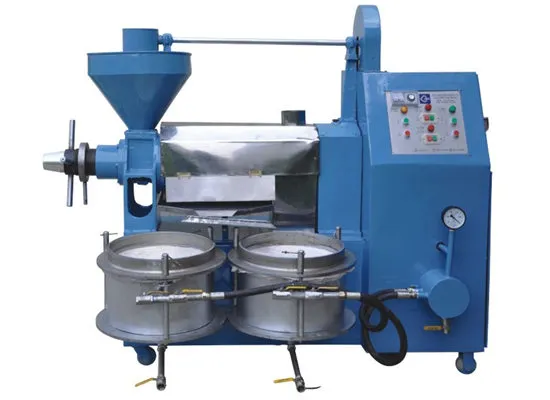
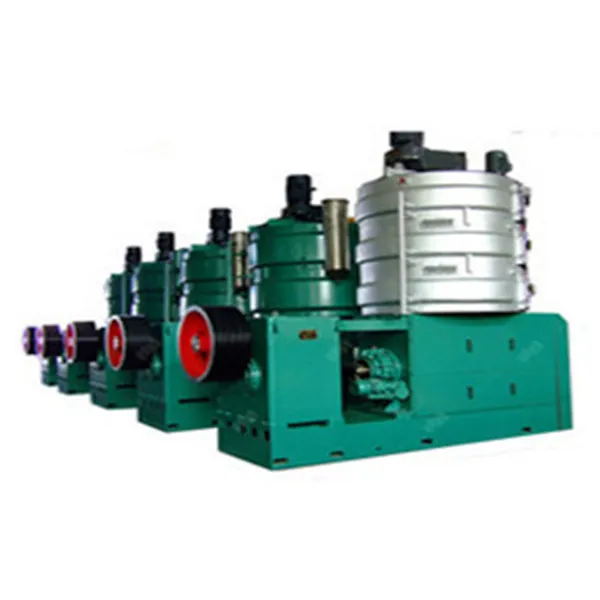
Introducing a multifunctional screw oil press into your production line can significantly enhance efficiency and output—provided the installation and commissioning process is executed correctly. This guide walks through each critical phase involved in the installation and startup of a multifunctional screw oil press, emphasizing best practices to avoid common pitfalls in civil preparation and electrical wiring.
Adequate civil works are the bedrock of successful machine operation. Prior to equipment arrival, ensure that foundation concrete meets the load-bearing specification, typically a minimum strength of C30, with a flatness tolerance under 2 mm over 1 meter span. Uneven surfaces can induce vibration and premature wear, reducing machine lifespan by up to 25%.
Reserved spaces for piping, cable conduits, and ventilation must be clearly marked on-site drawings and strictly adhered to. Floors should be level and free of dust or debris. Coordinate early with your civil contractor to align on dimensions and embed bolts, minimizing delays during mechanical installation.
Electrical installation errors are one of the most frequent causes of startup failures. The screw oil press demands precise adherence to wiring diagrams and safety standards, such as IEC 60204-1. Power supply cables must be sized to handle starting currents—often 3 to 5 times the rated current—to prevent tripping and overheating.
Ensure proper grounding and shielding of control circuits to protect sensitive automation components. Use industrial-grade connectors rated for environmental conditions present in oil mill settings, such as humidity and dust. Incorrect phase sequence or loose terminals can cause motor damage, risking a downtime increase estimated at 15% in typical setups.
Implementing a structured commissioning process increases the likelihood of first-time success. Start with mechanical checks—alignment, lubrication points, bolt tightness—before proceeding to electrical energizing stages. Follow a stepwise activation sequence: motors, control panels, sensors, and finally production test runs.
Monitor parameters such as motor current, vibration frequency, and hydraulic pressure against manufacturer's recommended ranges—typically vibration should stay under 4.5 mm/s RMS for optimal performance. Document deviations and diagnose anomalies with remote support software offered by most suppliers today.
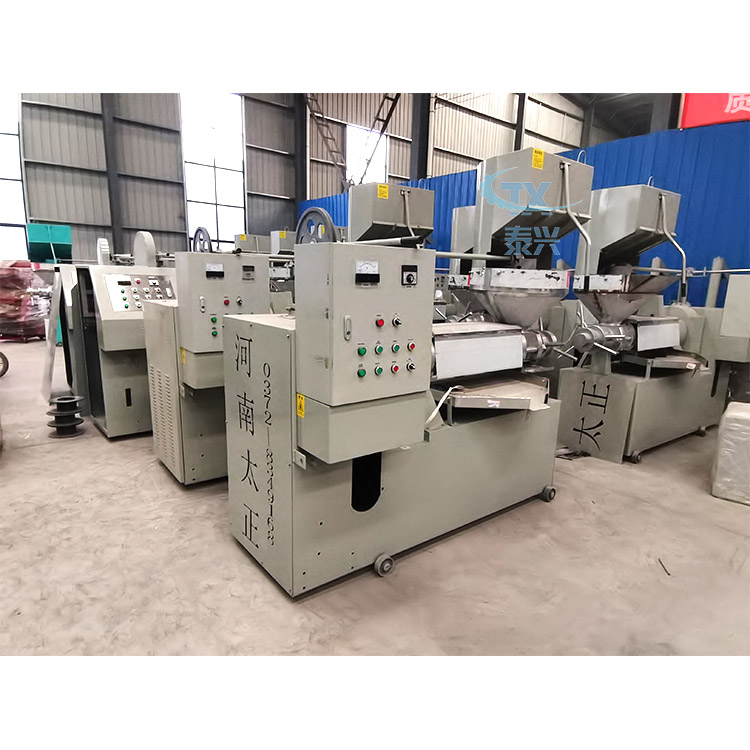
No installation is free from unexpected issues. A dual approach integrating remote technical assistance and timely on-site intervention is crucial. Remote video-guided diagnostics can reduce troubleshooting time by up to 35%, accelerating resolution of wiring faults or mechanical misalignments.
Establish clear communication channels between your local operators and the manufacturer's support team to ensure that problems are not only identified quickly but resolved effectively. For instance, real-time sensor data sharing enables remote experts to suggest precise adjustments, reducing downtime.
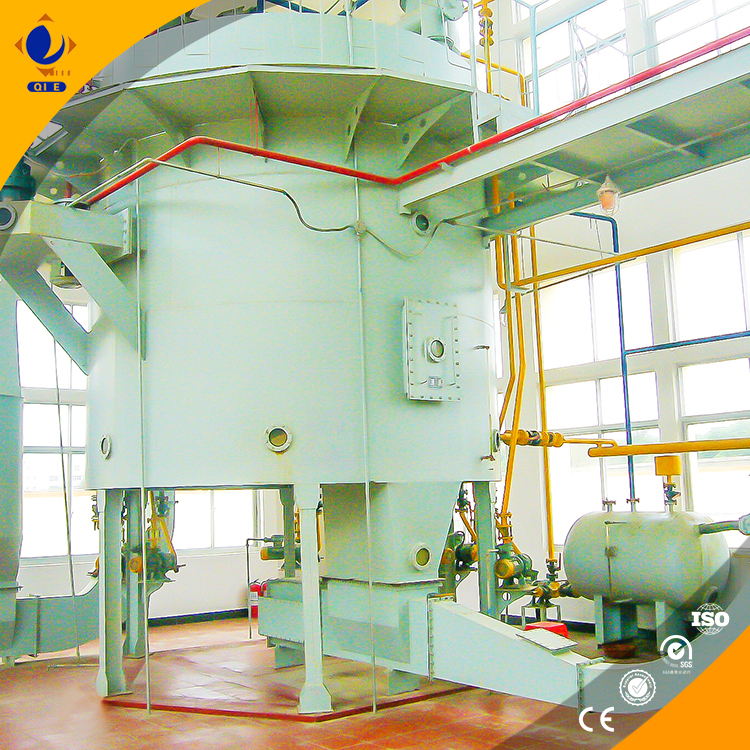
Several repeatedly observed errors can jeopardize the machine's performance. Key avoidable mistakes include:
Mitigation tactics include rigorous schedule planning, rigorous checklists, and mandatory handover protocols for each installation phase.
The entire installation and commissioning journey can be framed within a three-phase service model:
This framework enhances transparency and fosters trust, key elements for long-term partnership and maximized asset utilization.
 multistage filtration system
edible oil filtration technology
oil press filtration principles
oil purification process
cold and hot pressing equipment
Cold pressing technology advantages and disadvantages
Comparison of hot pressing oil processes
Cold and hot press dual-mode oil press
Selection of edible oil production equipment
High-efficiency oil press recommendation
Energy-efficient screw oil press
Double-screw shaft pressing technology
High-efficiency oil extraction
Cold and hot pressing process adaptation
Overseas after-sales service
screw press wear resistance
high durability materials in oil presses
screw shaft maintenance
cake discharge mechanism wear protection
extending industrial equipment life
Cold-pressing technology pros and cons
Comparison of hot-pressing oil extraction process
Cold-pressing oil press
Edible oil production process
Fully automatic oil press
multistage filtration system
edible oil filtration technology
oil press filtration principles
oil purification process
cold and hot pressing equipment
Cold pressing technology advantages and disadvantages
Comparison of hot pressing oil processes
Cold and hot press dual-mode oil press
Selection of edible oil production equipment
High-efficiency oil press recommendation
Energy-efficient screw oil press
Double-screw shaft pressing technology
High-efficiency oil extraction
Cold and hot pressing process adaptation
Overseas after-sales service
screw press wear resistance
high durability materials in oil presses
screw shaft maintenance
cake discharge mechanism wear protection
extending industrial equipment life
Cold-pressing technology pros and cons
Comparison of hot-pressing oil extraction process
Cold-pressing oil press
Edible oil production process
Fully automatic oil press





.jpg?x-oss-process=image/resize,h_800,m_lfit/format,webp)
.jpg?x-oss-process=image/resize,h_800,m_lfit/format,webp)


.png?x-oss-process=image/resize,h_100,m_lfit/format,webp)
.png?x-oss-process=image/resize,h_100,m_lfit/format,webp)
.png?x-oss-process=image/resize,h_100,m_lfit/format,webp)