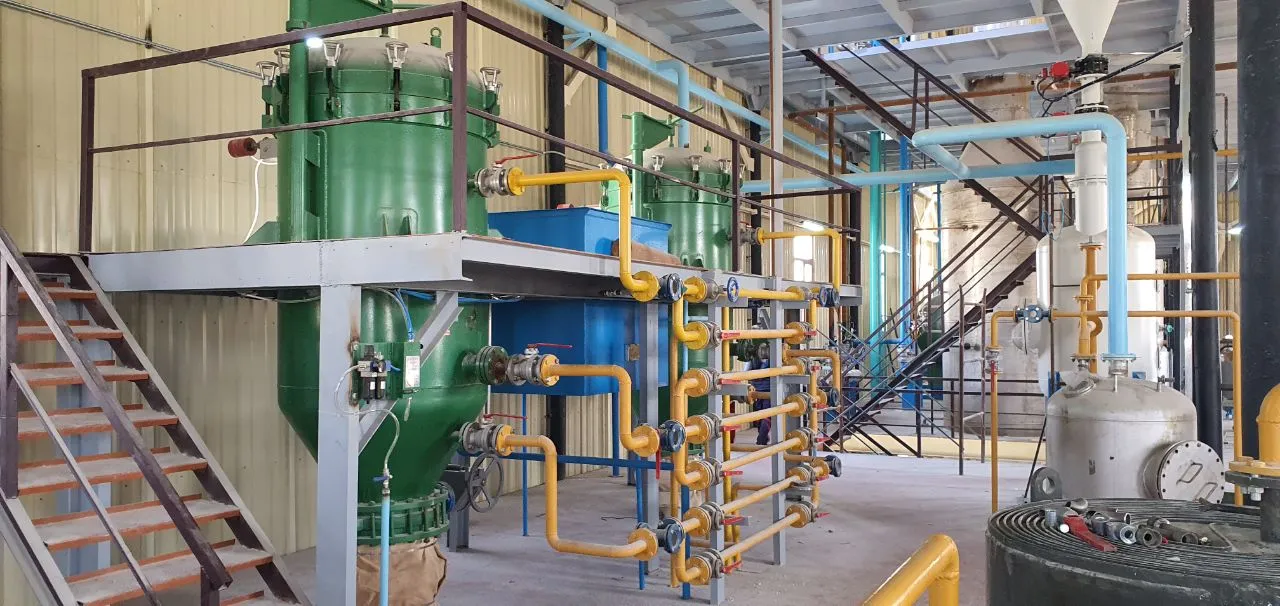
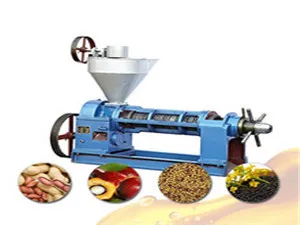
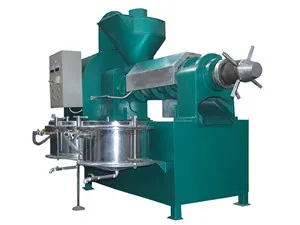
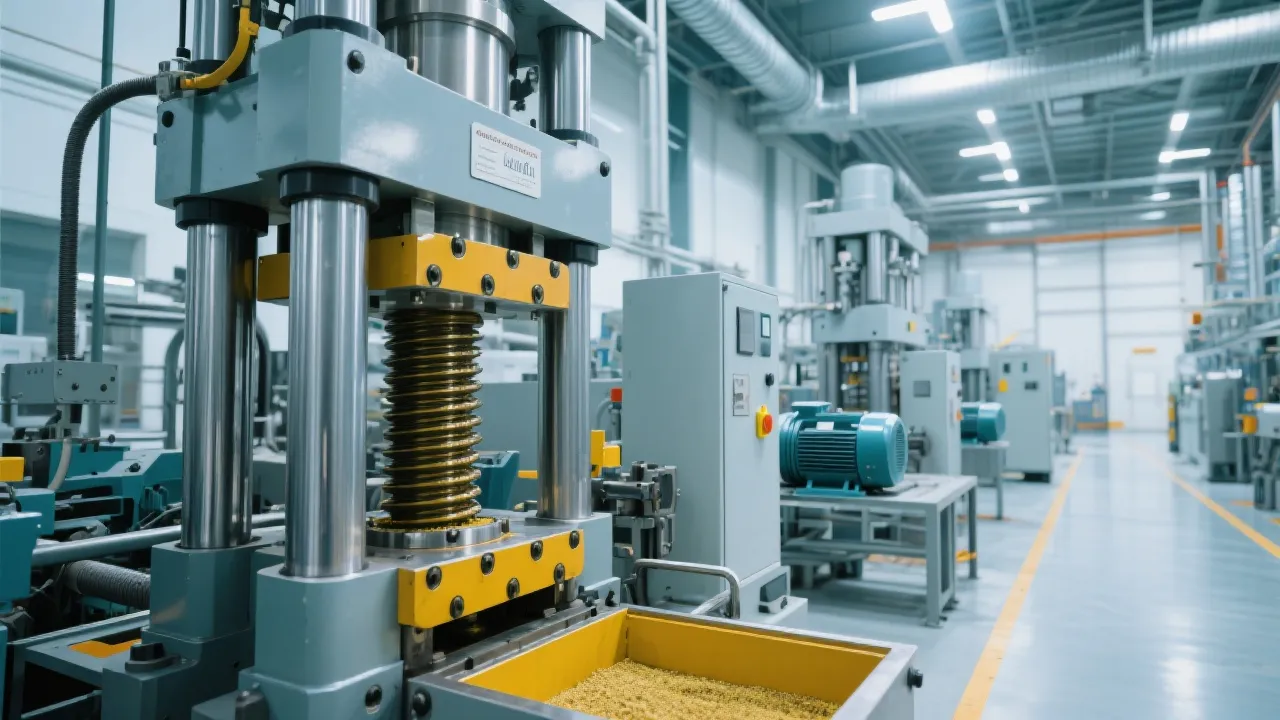
Medium-sized edible oil producers often face a plethora of challenges, from soaring energy costs to high labor expenses. These pain points can significantly eat into profit margins and hamper production efficiency. However, the transition from traditional oil extraction equipment to a state-of-the-art fully automatic hot and cold oil press can be a game-changer.
Let's take a closer look at how such equipment can transform the production landscape. Consider a peanut oil production enterprise that made the switch. Before the upgrade, they were grappling with high energy consumption and a large workforce. After adopting the fully automatic hot and cold oil press, the results were astonishing. They achieved an energy saving of 40% and a reduction in labor costs by 60%. This not only boosted their bottom line but also enhanced overall production efficiency.
The heart of this revolutionary equipment lies in its cold and hot pressing processes. A factory operator commented, “The two processes have distinct advantages, and understanding them is key to maximizing output and oil quality.”
Cold pressing happens at ambient temperatures. This gentle process preserves the natural flavors and nutritional value of the oilseeds. Oils produced via cold pressing are rich in antioxidants and vitamins. For example, cold - pressed olive oil retains more of its healthy monounsaturated fats, making it a favorite among health - conscious consumers. Although the cold - pressing process has a slightly lower oil yield compared to hot pressing ( typically around 3 - 5 percentage points lower, depending on the oilseed), it compensates with superior nutritional profiles.
Hot pressing involves heating the oilseeds before extraction. The heat breaks down the cell walls, allowing for a higher oil yield. On average, hot pressing can increase the oil extraction rate by 5 - 8 percentage points compared to cold pressing. This makes it an ideal choice for producers aiming to maximize output. However, the high - temperature process may lead to a slight loss of some heat - sensitive nutrients.
One of the most remarkable features of this fully automatic oil press is its adaptability. It can handle over 30 different types of oilseeds, including peanuts, sesame, rapeseeds, and soybeans. This versatility means that producers can switch between different oilseed sources based on market demand and availability without having to invest in multiple pieces of equipment.
Let's look at some hard numbers. In terms of energy consumption, traditional oil - pressing equipment often consumes a large amount of electricity. With the new fully automatic hot and cold oil press, the energy - saving rate of 40% translates into substantial cost savings. For a medium - sized oil factory, this could mean saving thousands of dollars on electricity bills annually.
When it comes to labor, the reduction of 60% is equally impressive. Fewer workers are needed for operation, monitoring, and maintenance. This not only cuts down on labor costs but also reduces the potential for human - error in the production process.
Key Benefits:
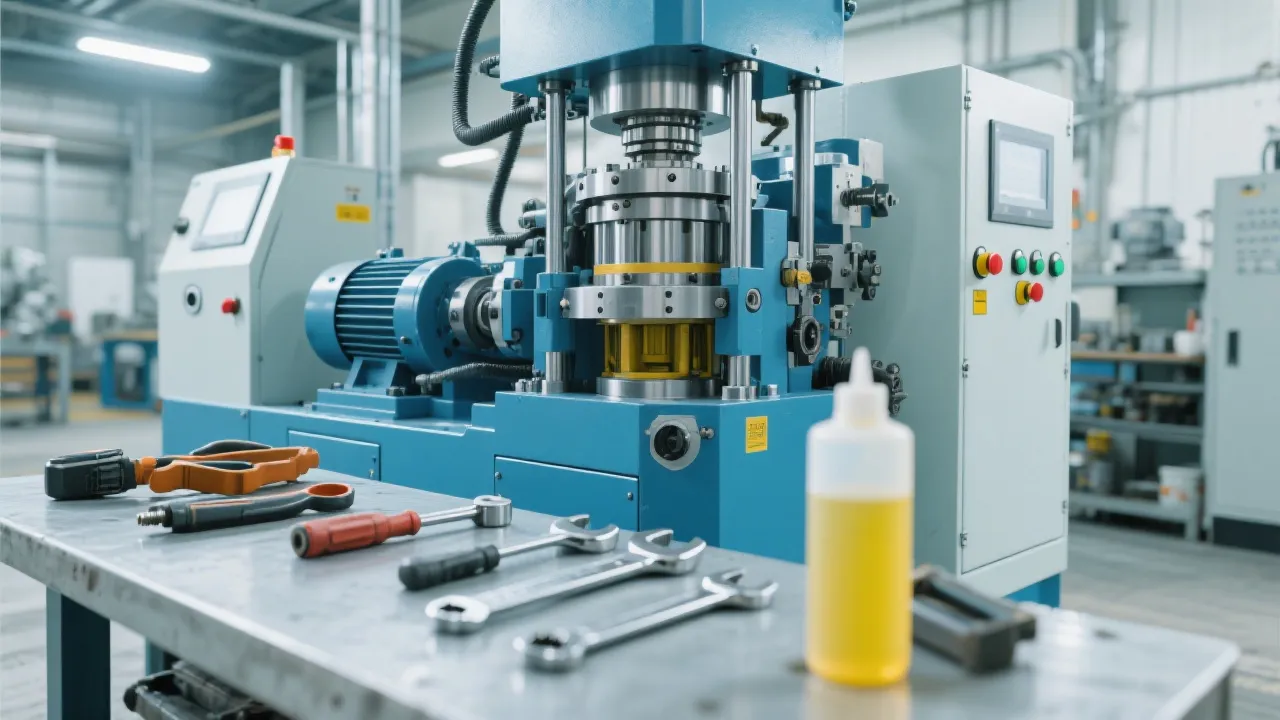
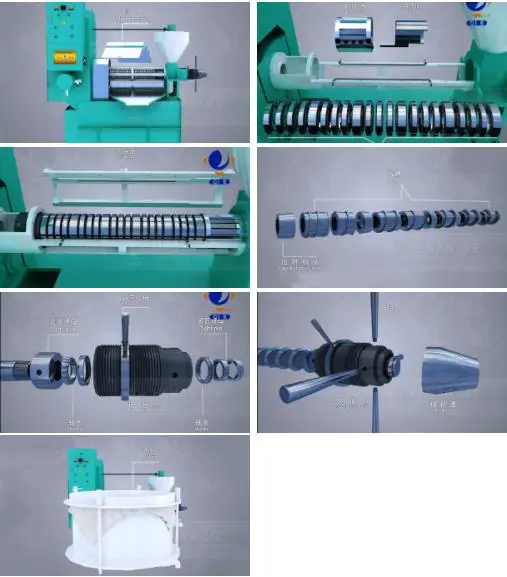
The compact design of the press ensures that it takes up minimal floor space in the factory. This is especially important for medium - sized producers with limited space. Moreover, the equipment is designed for easy maintenance. Routine checks and part replacements can be carried out quickly, reducing downtime and keeping production running smoothly.
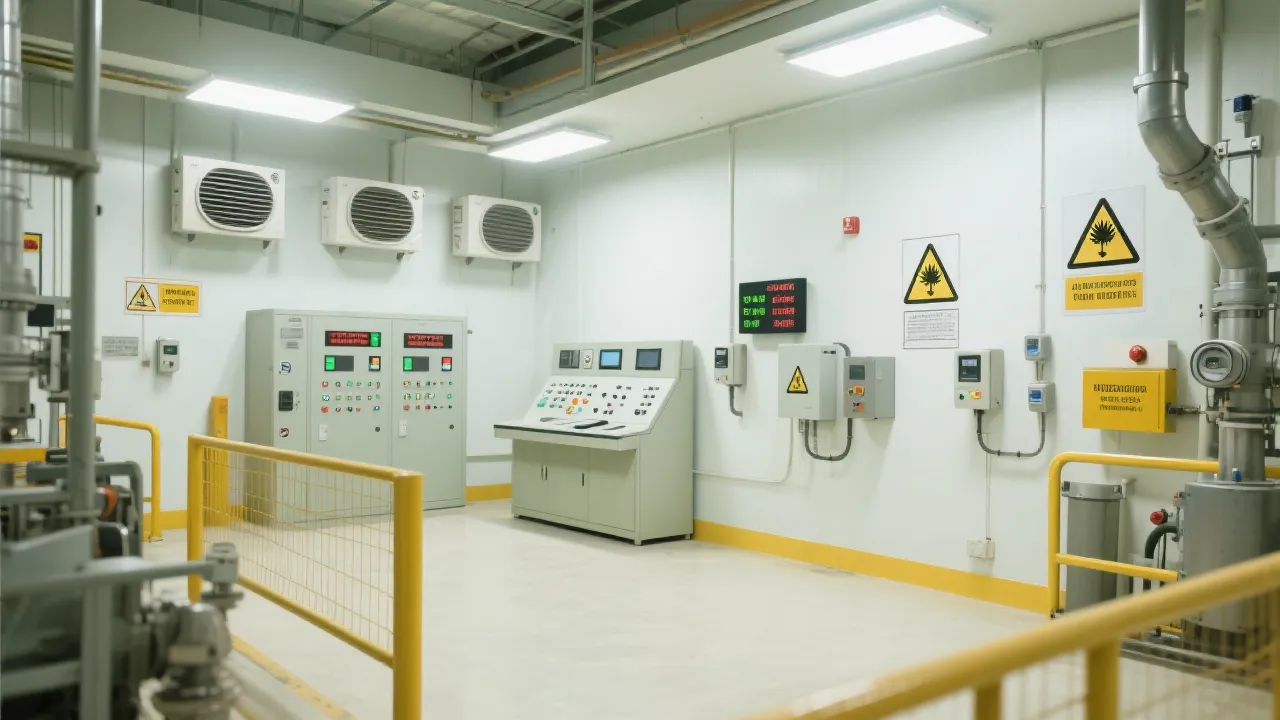
It also meets international safety standards. This gives producers peace of mind, knowing that their workers are protected and the equipment complies with global regulations.
Are you ready to revolutionize your oil production? Click here to view the实操演示 and see how this fully automatic hot and cold oil press can transform your business. You can also request a detailed industry application report to get more in - depth insights. Don't miss out on the opportunity to achieve high - efficiency, stable, and low - cost oil production.
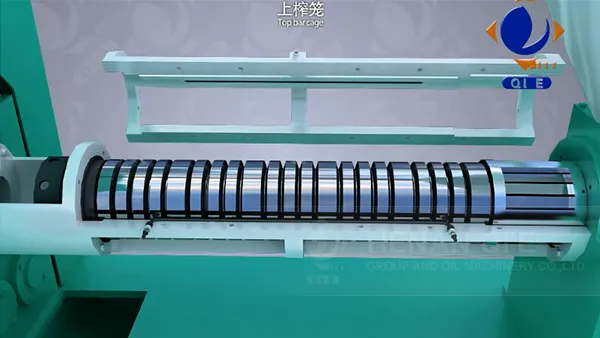
 screw oil press working principle
dual spiral shaft meshing technology
peanut oil extraction rate
energy efficient oil press
cold and hot pressing adaptability
Energy-efficient screw oil press
Double-screw shaft pressing technology
High-efficiency oil extraction
Cold and hot pressing process adaptation
Overseas after-sales service
energy-efficient oil press equipment
intelligent temperature control oil press
thermal energy recovery technology
energy-saving oil processing
eco-friendly oil pressing machinery
cold press technology advantages
hot pressing vs cold pressing
edible oil export processing
cold press oil machine application
energy efficient oil pressing equipment
Screw oil press wear - resistant materials
Equipment operational stability
Screw oil press maintenance
Wear - resistant component selection
Energy - efficient oil extraction
screw oil press working principle
dual spiral shaft meshing technology
peanut oil extraction rate
energy efficient oil press
cold and hot pressing adaptability
Energy-efficient screw oil press
Double-screw shaft pressing technology
High-efficiency oil extraction
Cold and hot pressing process adaptation
Overseas after-sales service
energy-efficient oil press equipment
intelligent temperature control oil press
thermal energy recovery technology
energy-saving oil processing
eco-friendly oil pressing machinery
cold press technology advantages
hot pressing vs cold pressing
edible oil export processing
cold press oil machine application
energy efficient oil pressing equipment
Screw oil press wear - resistant materials
Equipment operational stability
Screw oil press maintenance
Wear - resistant component selection
Energy - efficient oil extraction






.png?x-oss-process=image/resize,h_100,m_lfit/format,webp)
.png?x-oss-process=image/resize,h_100,m_lfit/format,webp)
.png?x-oss-process=image/resize,h_100,m_lfit/format,webp)